Edge Computing in 2026: 10 Revolutionary Ways to Master Data Processing
[Table of Contents]
The Death of the Centralized Cloud?
Why Edge Computing in 2026 is the Logistics Holy Grail
Eliminating Latency: The Millisecond That Saves Lives
Bandwidth Liberation and Cost Efficiency
The “Distributed Shield”: Enhanced Cybersecurity
Real-Time Industrial Automation in Europe
AI at the Edge: Intelligence Without the Tether
The 5G/6G Synergy: Fueling the Revolution
Smart Cities: The Walferdange Use Case
Retail Evolution: Beyond the Cashier
Overcoming the Complexity Challenge
Standards and Interoperability in 2026
Conclusion: Your Edge Strategy on Scriptobits
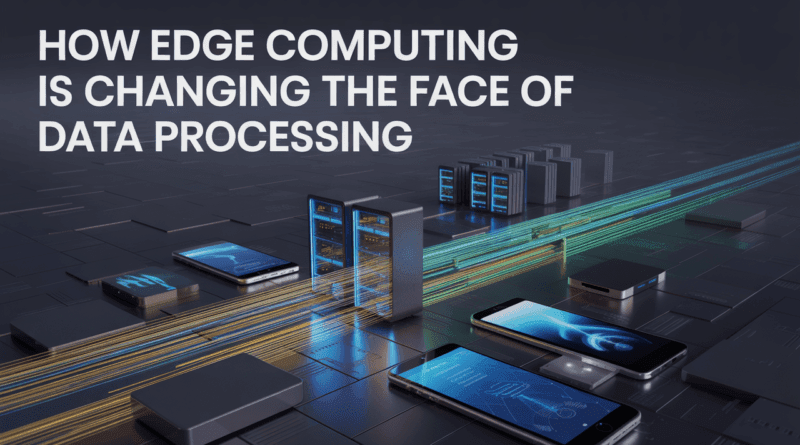
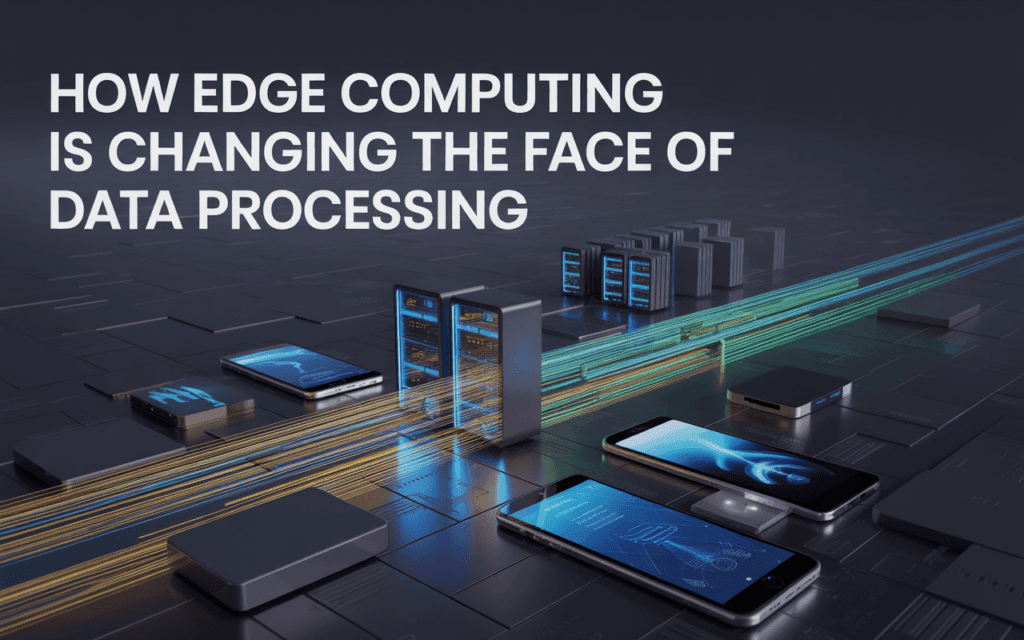
How Edge Computing is Changing the Face of Data Processing
The Death of the Centralized Cloud?
In today’s rapidly advancing tech world, Edge Computing in 2026 is becoming a game-changer, fundamentally altering the way data is handled and processed. Traditionally, data has been sent to centralized data centers for collection, processing, and analysis, with the results then relayed back to users. However, the sheer volume of data we generate today makes that old “hub-and-spoke” model feel like trying to empty the Alzette river with a teaspoon.
As a professional who has navigated the complexities of global logistics for over a decade, I’ve seen how information bottlenecks can paralyze a supply chain. Edge Computing in 2026 is disrupting this model by moving data processing closer to where it’s created. This shift brings several advantages, including lower latency, greater efficiency, and enhanced security. As we explore the impact of edge computing, it’s evident that this new model is driving a fresh wave of technological innovation.
Why Edge Computing in 2026 is the Logistics Holy Grail
During my 10 years in logistics and management, the biggest nightmare was always “stale data.” You can’t manage a warehouse in 2026 if your inventory system takes five seconds to update. Edge computing involves processing data near the source, such as on sensors, IoT devices, or local servers. By handling data closer to the origin, organizations can experience quicker response times, reduced bandwidth usage, and an overall improvement in system performance.
1. Eliminating Latency: The Millisecond That Saves Lives
A major benefit of Edge Computing in 2026 is its ability to lower latency. Latency is the delay between data generation and a system’s response. In the context of autonomous vehicles navigating the streets of Luxembourg City, latency isn’t just a tech stat; it’s a safety requirement. Processing data locally reduces the time needed to send information to a central data center and back. This is crucial for real-time applications like smart cities and surveillance systems, where even a minor delay could have serious consequences.
2. Bandwidth Liberation and Cost Efficiency
Another advantage lies in more efficient bandwidth usage. In traditional models, large amounts of data are sent from edge devices to central data centers, which can strain network resources and increase costs. By processing data locally, less data needs to be transmitted, resulting in reduced bandwidth use and lower expenses. For my fellow business owners at Scriptobits, this method also eases network congestion and enhances overall performance, especially when managing high-traffic tools.
3. The “Distributed Shield”: Enhanced Cybersecurity
Security is another area where Edge Computing in 2026 excels. Centralized data centers are attractive “honeypots” for cyberattacks. If you breach one, you expose everything. Edge computing spreads data processing across multiple locations, making it harder for hackers to access critical data. It also allows security measures like encryption and access control to be applied at the edge, protecting data before it’s transmitted or processed.
4. Real-Time Industrial Automation in Europe
In industrial environments, edge computing allows for real-time machinery monitoring and control, boosting operational efficiency and minimizing downtime. This is particularly relevant for the manufacturing hubs in the Greater Region of Luxembourg. Real-time processing at the edge enables organizations to act immediately based on data insights, preventing costly mechanical failures before they happen.
5. AI at the Edge: Intelligence Without the Tether
Moreover, Edge Computing in 2026 supports emerging technologies such as artificial intelligence (AI) and machine learning. AI models can be run directly on edge devices, enabling real-time analysis and decision-making without relying on central data centers. This is particularly valuable for applications that require instant responses, such as industrial automation and personalized retail experiences. If you’ve used our Content Optimizer, you’ve seen how fast processing changes the user experience.
6. The 5G/6G Synergy: Fueling the Revolution
The development of 5G (and the early whispers of 6G) networks plays a significant role in the rise of edge computing. With faster, low-latency connections, 5G enhances the efficiency of Edge Computing in 2026 by allowing quicker and more reliable data transfer between edge devices and centralized systems. This is the infrastructure that allows a professional in Walferdange to manage global operations from a tablet.
7. Smart Cities: The Walferdange Use Case
Imagine a smart parking system near Rue Bour Berldange. Instead of sending every camera frame to a server in another country, the edge node at the street corner processes the image, identifies the empty spot, and updates the local app instantly. This is how we optimize urban living using Edge Computing in 2026.
8. Retail Evolution: Beyond the Cashier
In the world of Print on Demand (Amazon Merch, Redbubble), edge computing allows for “smart mirrors” in pop-up shops that can render a design on a person’s reflection in real-time. This level of interaction requires the data processing speed that only the edge can provide.
9. Overcoming the Complexity Challenge
However, despite its benefits, edge computing comes with challenges. One such challenge is managing a distributed network of edge devices, which can be more complex than operating centralized data centers. Handling devices across multiple locations introduces difficulties in managing infrastructure, rolling out updates, and troubleshooting. As someone who has managed diverse teams and logistics networks, I know that decentralization requires a very specific type of management software and mindset.
10. Standards and Interoperability in 2026
Ensuring compatibility between different edge devices is another hurdle. Edge Computing in 2026 requires various devices and systems to work together seamlessly. Organizations will need to develop or adopt standards to ensure that different systems integrate smoothly, much like the SEO Content Calendar integrates various marketing streams into one vision.
Conclusion: Your Edge Strategy on Scriptobits
In summary, Edge Computing in 2026 is revolutionizing data processing by moving away from centralized centers to local, edge-based processing. It offers significant advantages, such as reducing latency, improving efficiency, enhancing security, and enabling new technologies.
As organizations continue to embrace this model, they will be better positioned to manage the growing data generated by IoT and drive innovation. While there are still challenges to overcome, the potential of edge computing to reshape industries—from logistics in Luxembourg to global marketing—is undeniable.
📅
Plan Your Tech Content for 2026
In the fast-paced world of AI security, timing is everything. Access our 2026 SEO Content Calendar with 365+ ideas to stay ahead of the curve.