Prefer listening instead of reading? Here is a short French audio summary of the article.
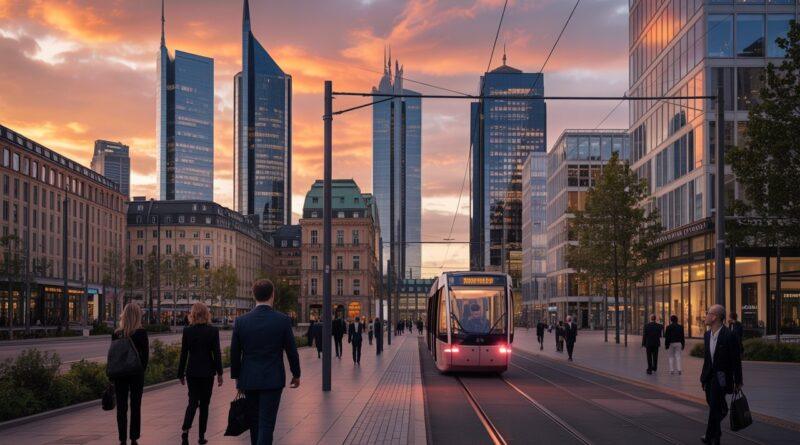
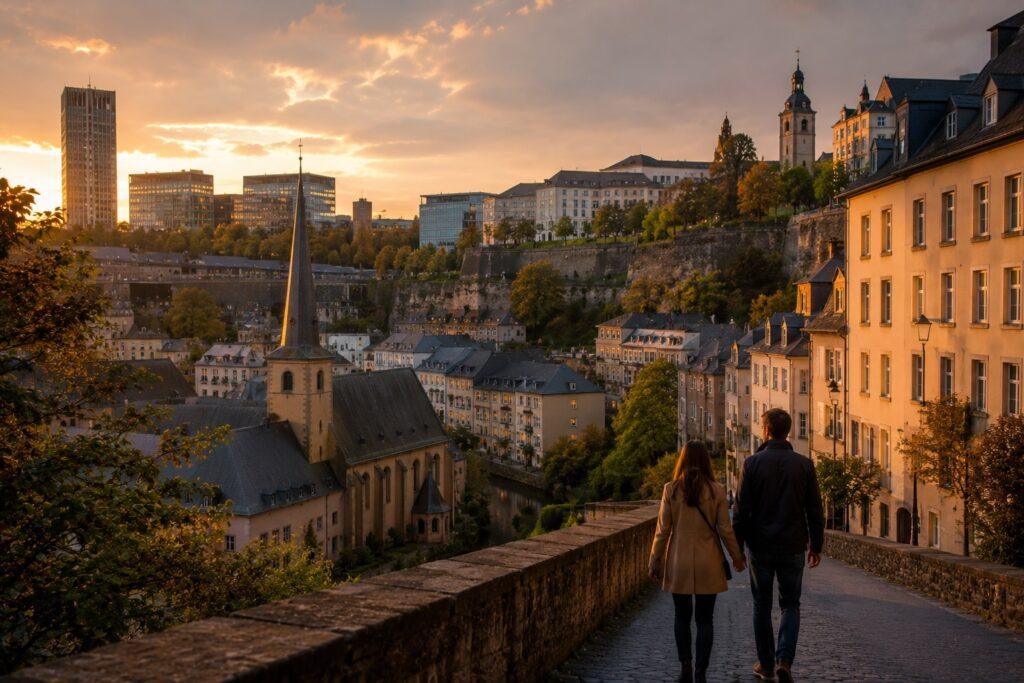
If you have ever stood in the middle of the Place d’Armes on a crisp Tuesday afternoon, you might notice something peculiar. It is not just the manicured streets or the quiet hum of electric buses passing by. It is a specific kind of stability, a discreet, wealthy atmosphere that is harder to find in the frantic energy of London or Paris. For years, the world has looked at this tiny Grand Duchy, tucked neatly between France, Germany, and Belgium, and asked the same burning question: why Luxembourg is so rich.
On paper, the numbers are staggering. Luxembourg consistently tops the charts for GDP per capita, and its name has become synonymous with high-level finance and European governance. But as we navigate through 2026, the narrative is shifting. For those looking to move here, or the expats already navigating the winding streets of the Grund, the wealth of the nation is a double-edged sword.
Is it truly the land of milk and honey, or is that record-breaking salary just a golden ticket to an incredibly expensive lifestyle? Many newcomers arrive with stars in their eyes, only to realize that while the “Luxembourg Dream” is real, it comes with a price tag that can make even a six-figure earner feel surprisingly middle-class.
I remember when my wife and I decided to pack our lives and move here. We both had stable, comfortable positions back home, her in Finance and me in Marketing. Our friends who were already living in the Grand Duchy painted a picture of a financial paradise. We thought that with two “Luxembourgish salaries,” we would live like royalty.
The reality? We live in an apartment, not a villa. We share a single car because the costs of maintenance and the sheer logistical headache of parking in the city make a second vehicle feel like an impossible luxury. Those “high salaries” vanish faster than you’d think into a thousand little expenses, from the “charges” of the building to the price of a simple weekend brunch. Yet, despite the financial squeeze, there is a reason we stay. We are going to dive deep into what makes this economy tick, and the honest reality of living in the world’s richest pocket of Europe.
Why Is Luxembourg So Rich? The Masterplan Behind the Wealth
Why Is Luxembourg So Rich? The Masterplan Behind the Wealth
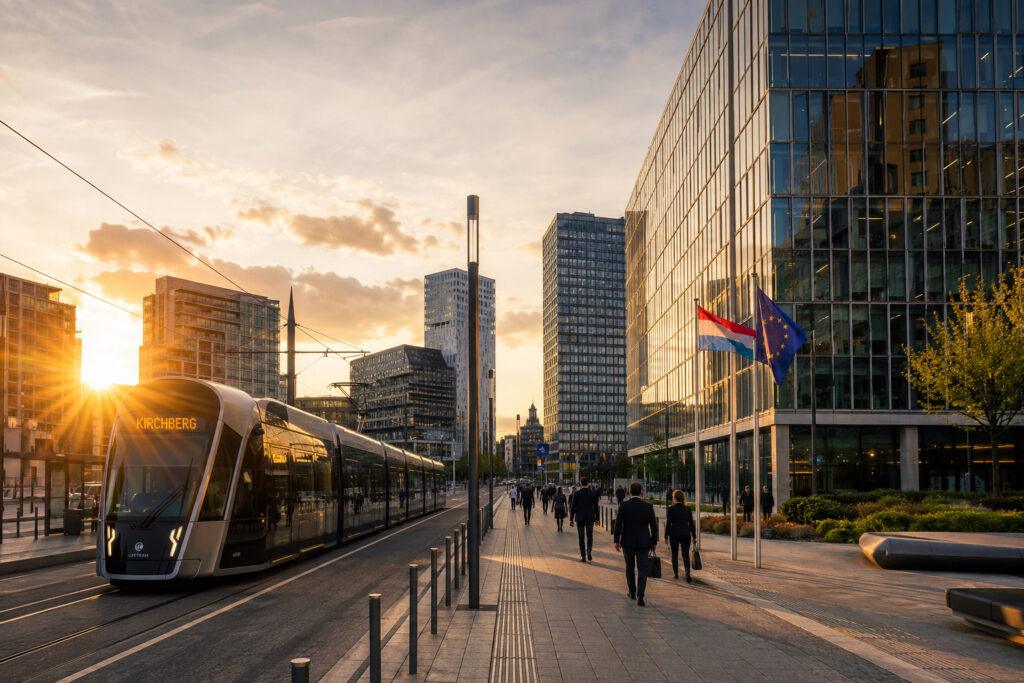
To understand the modern wealth of the Grand Duchy, you have to look past the shiny glass buildings of Kirchberg. Luxembourg’s story is not one of luck. It is a story of incredible, calculated reinvention.
A century ago, this was an agrarian society that eventually pivoted to steel. When the steel industry faltered in the 1970s, the government did not just wait for a miracle. They intentionally engineered a pivot toward financial services, creating a “niche of sovereignty” that the rest of the world now envies.
The Financial Powerhouse and the UCITS Revolution
Today, Luxembourg is the second-largest investment fund center in the world, trailing only the United States. This did not happen by accident. By being the first to adopt the UCITS (Undertakings for Collective Investment in Transferable Securities) directive, Luxembourg became the global hub for fund distribution.
When you ask why Luxembourg is so rich, you are really asking about the over 120 international banks and thousands of investment funds managed here. This sector accounts for about a quarter of the country’s GDP. It is a high-octane engine that keeps the country’s coffers full, allowing for the kind of public spending that other nations can only dream of.
The “Recession-Proof” European Anchor
Luxembourg is one of the three official capitals of the European Union. Hosting the European Court of Justice, the European Investment Bank (EIB), and the European Court of Auditors brings a specific kind of “recession-proof” wealth to the city.
These are not just buildings. They are hubs for thousands of “Eurocrats”, highly educated, international residents with tax-advantaged salaries who spend their money in local shops and restaurants. This presence guarantees a level of international security and political influence far beyond what a country of 660,000 people should logically command.
The Cross-Border Engine: The Secret 200,000
Here is a secret that many outsiders miss: Luxembourg’s economy is powered by people who do not even live there. Every morning, over 220,000 workers (the frontaliers) cross the borders from France, Belgium, and Germany.
They contribute their skills and taxes to the Luxembourgish GDP, but they return home to utilize the infrastructure of their home countries. According to Eurostat and STATEC data, this creates a massive economic surplus. Luxembourg effectively benefits from the labor of a “hidden” population without having to provide housing for all of them, though this model is reaching its breaking point in 2026 as traffic congestion becomes a national crisis.
The short answer is yes. But the long answer requires a look at the “Index” and the reality of the net-to-gross calculation.
The Highest Minimum Wage in the EU
Luxembourg boasts the highest minimum wage in the European Union. As of 2026, the social minimum wage for a “skilled worker” has climbed significantly.
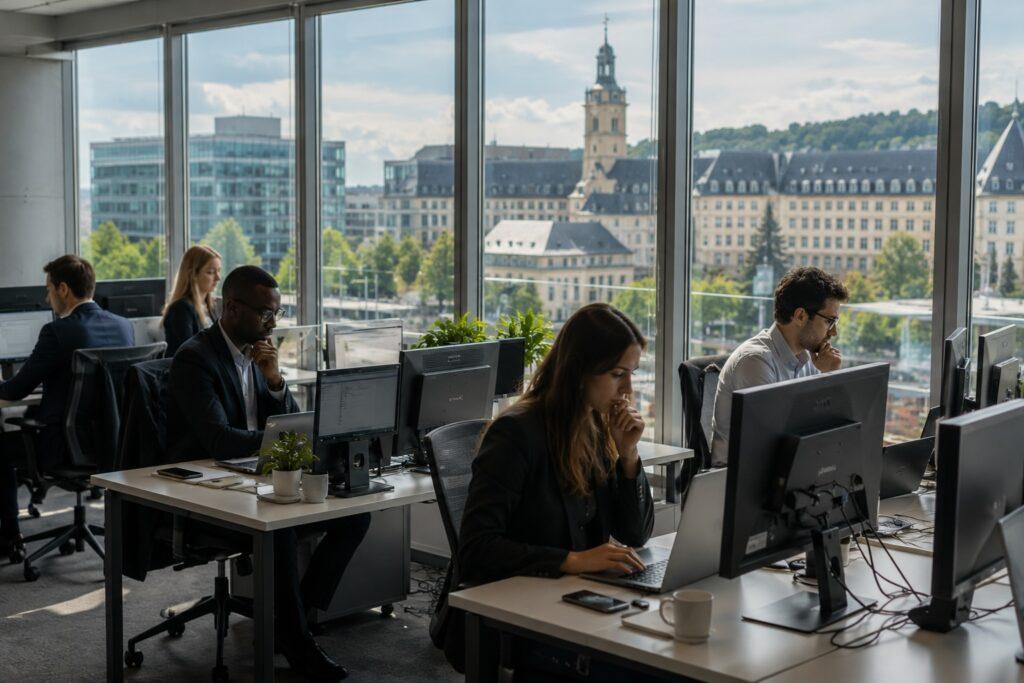
Luxembourg salaries 2026 trends show that the average annual salary across all sectors now sits comfortably above 82,000 EUR. For many, this looks like a fortune. However, it is important to remember that in Luxembourg, “average” is a loaded term. A Junior Auditor in a Big Four firm might start at 50,000 EUR, while a specialized Compliance Officer or a Private Equity Counsel can easily command 120,000 EUR plus bonuses.
The Salary Indexation System: The National Life Raft
One of the most unique aspects of working in Luxembourg is the indexation system. When the cost of living (inflation) increases by 2.5%, salaries across the country, both public and private, are automatically adjusted by 2.5%.
In 2026, after years of global inflationary pressure, this system has been a literal lifesaver for residents. It prevents the “working poor” phenomenon seen in other major capitals. While the price of your organic coffee in Limpertsberg might go up, your salary eventually follows.
sources :guicht.lu
Can You Really Save Money in Luxembourg?
Can You Really Save Money in Luxembourg?
This is the question every expat asks over a glass of Crémant on a Friday night. The answer is: It depends entirely on your housing strategy and your ability to resist social pressure.
The Reality Check: Expectation vs. Bank Account
If you arrive as a single professional earning 6,000 EUR net per month, you will live very well. You can afford a nice apartment, weekend trips to Berlin, and still save 1,500 EUR a month.
However, for a couple like my wife and me, the math changes. Even with two solid salaries in Finance and Marketing, the “dream” of buying a house with a garden remains just that, a dream. We found ourselves in a comfortable apartment, but with the cost of insurance, “left and right” expenses, and the general price of services, our ability to make “real” savings is much lower than we anticipated.
The Lifestyle Creep Trap
Luxembourg is a place where luxury is normalized. In certain districts, it feels like every second car is a new Audi or BMW. If you fall into the trap of trying to match the lifestyle of the “Old Money” Luxembourgers or the high-level Eurocrats, your savings account will suffer. To truly save money here, you have to be intentional, often by taking advantage of the free transport to shop across the border in Germany or France for basic household goods.
What Is the Real Cost of Living in Luxembourg in 2026?
What Is the Real Cost of Living in Luxembourg in 2026?
High salaries exist, but they are met with high-octane expenses. Let’s look at the numbers.
The Housing Crisis: The 1.3 Million Euro Entry Point
The single biggest challenge is housing. In 2026, the market is tighter than ever.
Rent: A basic one-bedroom apartment in Luxembourg City (Bonnevoie, Gasperich) will likely set you back between 2,100 EUR and 2,700 EUR per month.
Buying: For those looking to buy, the prices are sobering. A modest house within a 30-minute commute of the city center rarely lists for less than 1.25 million EUR.
Transportation and the “Free” Perk
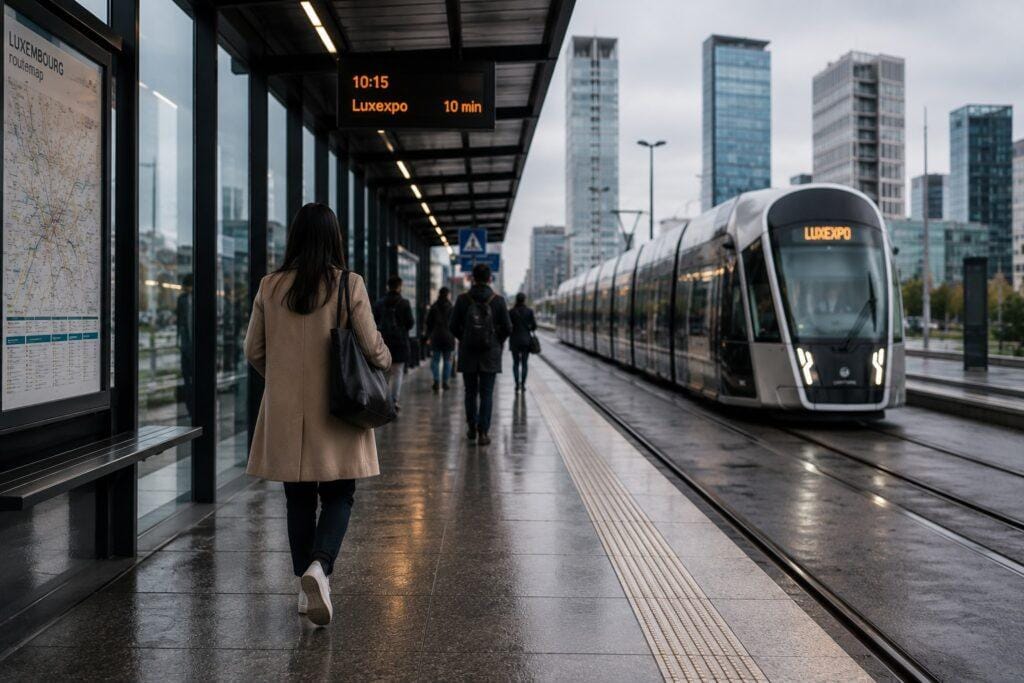
One area where Luxembourg wins is public transport. As the first country to make all buses, trains, and trams free, it has saved the average commuter about 500 to 800 EUR per year.
However, if you do drive, fuel remains a major topic. While still competitive, the “tank tourism” era is fading due to rising carbon taxes. You can check our detailed guide on Fuel Prices in Luxembourg to see the latest 2026 price updates.
It is easy to get bogged down in the high costs and the “apartment life” frustrations. But Luxembourg offers something that is hard to put a price on.
The True “Vivre Ensemble”
One of the most beautiful aspects of the Grand Duchy is its status as a multicultural metropolis. In my daily life, I see dozens of nationalities working together, eating together, and respecting one another. It is a place where individual freedoms are not just a legal concept but a lived reality. There is a deep, mutual respect among residents that makes the “Sunday Silence” or the rainy weather much easier to bear.
A Safe Haven for Families
Yes, we share one car. Yes, we live in an apartment. But we walk home at midnight without a single worry about our safety. We live in a country that works, where the schools are international, and the healthcare is top-tier. For many, this “mental peace” is the ultimate form of wealth.
Best Jobs in Luxembourg for Foreigners in 2026
Best Jobs in Luxembourg for Foreigners in 2026
If you are looking for jobs in Luxembourg, focus on these high-growth areas:
Digital Marketing & SEO (The Scriptobits Special)
As local companies realize they need to compete on a global scale, the demand for SEO and digital strategists has exploded. If you’re interested in this niche, see our article on Digital Marketing & SEO in Luxembourg.
Compliance and Regulatory Affairs
With the EU constantly introducing new regulations, the “Compliance Officer” has become the king of the job market. These roles are stable, high-paying, and almost always open to English speakers.
Is Luxembourg Still Worth Moving To in 2026?
Is Luxembourg Still Worth Moving To in 2026?
The wealth of Luxembourg is not just about the numbers in a bank account. It is about the quality of the “commons”, the parks, the schools, the free transport, and the multicultural melting pot where 170 nationalities live together with remarkably little friction.
If you are coming here purely to “get rich quick”, you might be disappointed by how fast the cost of living eats your paycheck. But if you are coming here to build a stable, high-quality life in a society that values respect and freedom, Luxembourg remains one of the best choices on the planet.
FAQ: Navigating Luxembourg in 2026
Why is Luxembourg the richest country in the world? Its wealth is a “perfect storm” of a massive investment fund sector, political stability, and a unique cross-border workforce that boosts GDP.
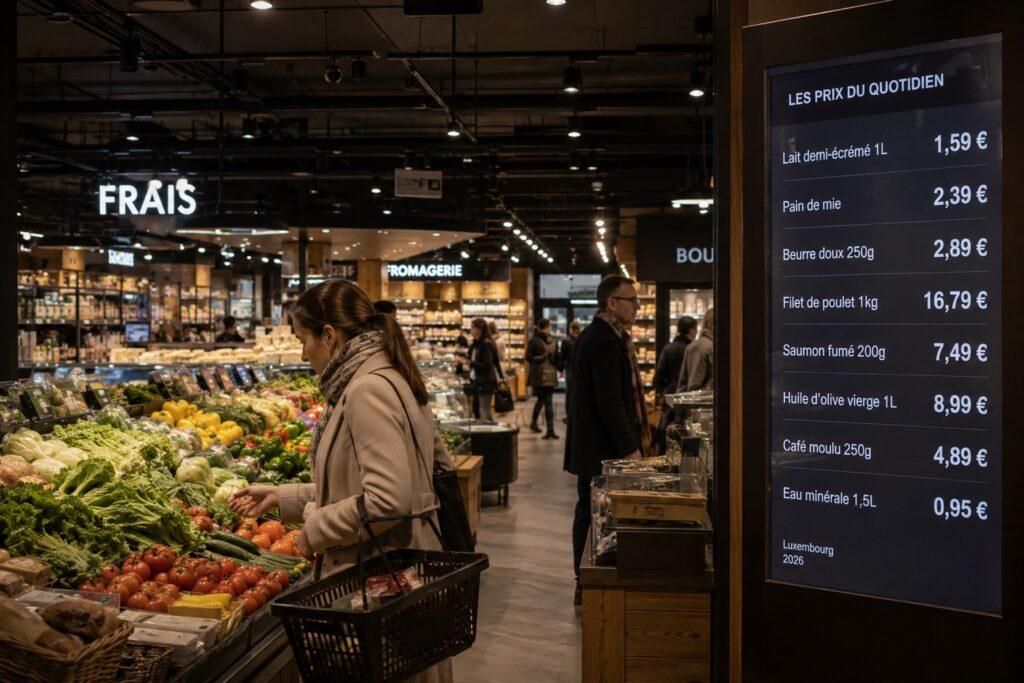
Is Luxembourg expensive in 2026? Yes. It is consistently in the top 3 most expensive EU countries. While transport is free, housing and services are significantly higher than the EU average.
What salary is considered “good” in Luxembourg for a couple? In 2026, a combined gross annual income of 130,000 EUR is considered a solid baseline to live comfortably, though buying property may still be a challenge.
Is the salary indexation automatic for all workers? Yes. By law, every employer in Luxembourg must apply the indexation to all salaries once it is triggered by the government.
Want to master your life in the Grand Duchy? From saving on your energy bills to ranking your business on Google, explore our latest guides on Scriptobits.com.
Luxembourg 2026: The Economic Paradox in Numbers
Luxembourg remains one of Europe’s wealthiest countries, but daily life tells a more nuanced story: high salaries, high rents, free transport, and a very competitive job market.
Average annual salary82,000 EUR
High salaries remain one of Luxembourg’s strongest economic signals.
One-bedroom rent2,300 EUR
A central reason why many residents feel financial pressure.