Introduction: Combat stress effectively is essential in today’s fast-paced world. Stress has become a common issue affecting our overall well-being and mental health. However, there are proven strategies to combat stress and regAccording to the American Psychological Association, chronic stress affects 77% of people regularly, manifesting in physical symptoms like headaches, fatigue, and muscle tension. Left unmanaged, prolonged stress contributes to serious health issues including cardiovascular disease, weakened immunity, depression, and anxiety disorders. The good news is that stress management is a learnable skill, not an innate trait. By implementing evidence-based strategies consistently, you can significantly reduce stress’s negative impact on your life. This comprehensive guide combines traditional stress management techniques with modern technological solutions, offering a holistic approach to building resilience and maintaining emotional balance. Whether you’re dealing with work pressure, personal challenges, or simply the overwhelming pace of modern life, these ten proven strategies will equip you with practical tools to take control of your stress response and cultivate lasting well-being.ain control of our lives. In this article, we’ll explore ten research-backed methods to reduce stress, complemented with practical illustrations, and discuss how artificial intelligence (AI) can further assist in stress management and wellness.
Explore the concept of mindfulness meditation and its benefits for stress reduction. Provide step-by-step instructions for beginners to cultivate a mindful practice. Highlight how AI-powered meditation apps can guide and personalize meditation sessions, enhancing the experience.Studies have shown that just 10-15 minutes of daily mindfulness practice can significantly reduce cortisol levels and improve emotional regulation. Start by finding a quiet space, sitting comfortably, and focusing on your breath. When thoughts arise, acknowledge them without judgment and gently return your attention to breathing. Popular meditation apps like Headspace, Calm, and Insight Timer offer guided sessions for beginners, while AI-powered platforms can adapt to your progress and suggest personalized meditation techniques based on your stress patterns and preferences.
Engage in Regular Exercise
Discuss the physical and mental benefits of regular exercise for stress management. Suggest different types of exercises suitable for different lifestyles, including yoga, running, and strength training. Mention AI-powered fitnRegular exercise is one of the most effective ways to combat stress naturally. Physical activity releases endorphins, which are natural mood elevators that help reduce anxiety and improve overall well-being. Whether you prefer yoga, running, swimming, or strengthThe World Health Organization recommends at least 150 minutes of moderate-intensity aerobic activity or 75 minutes of vigorous-intensity activity weekly for optimal stress management and overall health. Beyond cardiovascular exercise, incorporate strength training 2-3 times per week to build physical resilience and boost confidence. Mind-body exercises like tai chi, qigong, and Pilates combine physical movement with mindfulness, offering dual benefits for stress management. Exercise timing matters too—morning workouts energize you for the day ahead, while evening sessions can help discharge accumulated stress. However, avoid intense exercise within 2-3 hours of bedtime as it may interfere with sleep. The social aspect of exercise provides additional stress-relief benefits; joining group fitness classes, sports teams, or running clubs creates accountability while expanding your support network. For those with physical limitations or chronic conditions, gentle activities like water aerobics, chair yoga, or guided stretching programs can provide significant stress management benefits without risking injury. The key is finding activities you genuinely enjoy, making exercise a sustainable stress management tool rather than another source of pressure. training, find an activity that suits your lifestyle and fitness level. AI-powered fitness trackers and virtual trainers can provide personalized workout recommendations, monitor your progress, and help you stay motivated on your journey to combat stress through physical fitness.ess trackers and virtual trainers that provide personalized workout recommendations and track progress.For more insights on balancing productivity and well-being, check out our comprehensive guide on
Prioritize Sleep
Explain the role of sleep in stress reduction and overall well-being. Share tips for creating a relaxing sleep environment, including setting a consistent sleep schedule and minimizing screen time before bed. Mention AI-powered sleep monitoring devices and apps that analyze sleep patterns and provide personalized recommendations for better rest.Quality sleep is fundamental to stress management, as poor sleep amplifies stress hormones and weakens your ability to cope with daily challenges. Adults should aim for 7-9 hours of uninterrupted sleep each night. Create a calming bedtime routine by dimming lights an hour before sleep, avoiding caffeine after 2 PM, and keeping your bedroom cool (around 65-68°F or 18-20°C). Consider using blackout curtains and white noise machines to optimize your sleep environment. Smart sleep trackers like Oura Ring, Fitbit, or Whoop can monitor your sleep cycles, detect disruptions, and provide insights into sleep quality. These AI-powered devices can identify patterns and suggest adjustments to improve your restorative sleep, helping you wake up refreshed and better equipped to handle stress.
Connect with Nature
Discuss the therapeutic effects of spending time in nature for stress relief. Provide suggestions for outdoor activities, such as hiking, gardening, and picnicking, to reduce stress levels. Mention AI-powered virtual reality experiences that simulate natural environments, providing an immersive stress-relieving escapeSpending time in nature, also known as ‘green therapy’ or ‘ecotherapy,’ has profound stress-reducing effects backed by extensive scientific research. Studies show that just 20 minutes in a natural setting can significantly lower cortisol levels and blood pressure. The Japanese practice of ‘forest bathing’ (shinrin-yoku) demonstrates that walking among trees boosts immune function and reduces anxiety. Nature exposure helps restore attention, reduces rumination, and promotes feelings of awe and perspective that put stressors into context. Make it a priority to spend time outdoors regularly—whether it’s a daily walk in a local park, weekend hikes in forests or mountains, gardening in your backyard, or simply sitting by water. If access to nature is limited, bring nature indoors with houseplants, nature sounds, or desktop water features. Virtual reality apps like Nature Treks VR or guided nature meditation apps can provide immersive natural experiences when outdoor access isn’t possible, offering a temporary escape that supports stress management even in urban environments..For additional lifestyle tips and wellness strategies, exploreManiabits
Practice Gratitude
Explain the concept of gratitude and its impact on stress levels. Share techniques for cultivating a grateful mindset, such as keeping a gratitude journal and expressing appreciation to others. Discuss AI-powered gratitude journal apps that offer prompts and reminders to practice gratitude regularly.Research shows that practicing gratitude can reduce stress by up to 23% and improve overall mental health. Start by dedicating 5 minutes each evening to write down three things you’re grateful for, no matter how small. This simple practice shifts your focus from stressors to positive aspects of your life, rewiring your brain for optimism. Share your appreciation with loved ones through heartfelt messages or face-to-face conversations, strengthening social bonds that buffer against stress. Digital tools like Grateful, Day One, or Presently offer structured prompts and mood tracking to maintain consistency. These apps can remind you to pause during busy days and reflect on gratitude, making it easier to build this powerful stress-reducing habit into your routine.
Set Realistic Goals for Stress Management
Discuss the role of goal-setting in stress management and personal growth. Provide tips for setting achievable goals, breaking them down into smaller steps, and celebrating milestones. Mention AI-powered goal-setting apps that assist in creating and tracking goals, providing motivation and accountability.Effective goal-setting is essential for successful stress management because vague aspirations create anxiety while clear, measurable objectives provide direction and control. Use the SMART framework (Specific, Measurable, Achievable, Relevant, Time-bound) to structure your stress management goals. For example, instead of “I want to be less stressed,” set a goal like “I will practice 10 minutes of meditation daily for the next 30 days.” Break larger stress management objectives into micro-goals—if your ultimate goal is better work-life balance, start with leaving work on time twice per week before expanding. Celebrate small wins to maintain motivation and reinforce positive behaviors. Apps like Streaks, Habitica, or Coach.me gamify goal-tracking, sending reminders and providing accountability. AI-powered goal-setting platforms can analyze your progress patterns, predict potential obstacles, and adjust recommendations to keep you on track with your stress management journey.
Maintain a Healthy Diet
Explain the connection between nutrition and stress, emphasizing the importance of a balanced diet. Share healthy food choices and stress-reducing recipes, including foods rich in omega-3 fatty acids and magnesium. Discuss AI-powered meal planning apps that suggest nutritious meals and generate shopping lists, simplifying healthy eating.What you eat directly impacts your stress levels and mental clarity. Foods rich in omega-3 fatty acids (salmon, walnuts, chia seeds), magnesium (spinach, almonds, dark chocolate), and vitamin B (eggs, legumes, whole grains) help regulate cortisol production and support nervous system function. Avoid excessive caffeine, refined sugars, and processed foods that cause energy crashes and mood swings. Instead, focus on whole foods, lean proteins, and colorful vegetables. Meal planning apps like Mealime, Eat This Much, or MyFitnessPal use AI algorithms to create personalized nutrition plans based on your dietary preferences, health goals, and stress levels. These tools can suggest anti-stress recipes, generate grocery lists, and track your nutritional intake to ensure you’re fueling your body optimally for stress management.
Connect with Supportive People
Discuss the importance of social support in stress management and overall well-being. Provide tips for building and maintaining healthy relationships, including reaching out to friends and family for support. Mention AI-powered chatbots and virtual assistants that offer emotional support and provide resources for stress management.Human connection is a cornerstone of effective stress management, as isolation amplifies stress while social bonds provide emotional resilience. Strong relationships with family, friends, or support groups create a buffer against life’s challenges. Make time for meaningful conversations, whether through phone calls, video chats, or in-person meetings. Join community groups, fitness classes, or online forums related to your interests to expand your social circle. Don’t hesitate to share your feelings with trusted individuals—vulnerability strengthens bonds and reduces the burden of carrying stress alone. For those without immediate social networks, AI-powered mental health platforms like Woebot, Replika, or Wysa offer 24/7 emotional support through conversational AI. While these tools complement human connection rather than replace it, they provide valuable resources for stress management when professional help isn’t immediately accessible.
Engage in Hobbies
Explain the therapeutic benefits of engaging in hobbies for stress relief and personal fulfillment. Suggest different hobbies suitable for stress relief, such as painting, playing an instrument, or practicing a sport. Discuss AI-powered recommendation systems that suggest hobbies based on individual interests and preferences, facilitating enjoyable stress-relieving activities.Engaging in hobbies provides a mental escape from daily stressors and activates the brain’s reward system, releasing dopamine and reducing cortisol. Whether it’s creative pursuits like painting, photography, or writing, physical activities like dancing or martial arts, or intellectual challenges like puzzles or learning a new language, hobbies offer a healthy outlet for stress. Dedicate at least 30 minutes three times per week to activities you genuinely enjoy. The key is consistency and genuine interest—forced activities won’t provide the same stress-relief benefits. AI-powered platforms like Skillshare, Udemy, or Duolingo can help you discover and learn new hobbies through personalized recommendations, while apps like Strava or Goodreads can connect you with communities sharing your interests, adding a social dimension to your stress-relief activities.
Practice Time Management
Discuss the role of effective time management in reducing stress and increasing productivity. Provide tips for organizing tasks, prioritizing responsibilities, and avoiding procrastination. Mention AI-powered productivity apps that analyze work patterns, suggest optimal schedules, and provide reminders to stay on track.Poor time management is a major source of chronic stress, leading to rushed work, missed deadlines, and constant feelings of being overwhelmed. Implement the Eisenhower Matrix to categorize tasks by urgency and importance, focusing on high-priority activities first. Break large projects into smaller, manageable chunks and set realistic deadlines. Use techniques like time-blocking to dedicate specific hours to focused work, and the Pomodoro Technique (25-minute work sessions followed by 5-minute breaks) to maintain productivity without burnout. AI-powered apps like Todoist, Notion, or Asana can intelligently prioritize your tasks, predict how long activities will take based on historical data, and send smart reminders to keep you on schedule. These tools help eliminate decision fatigue and reduce the stress of juggling multiple responsibilities.
Conclusion
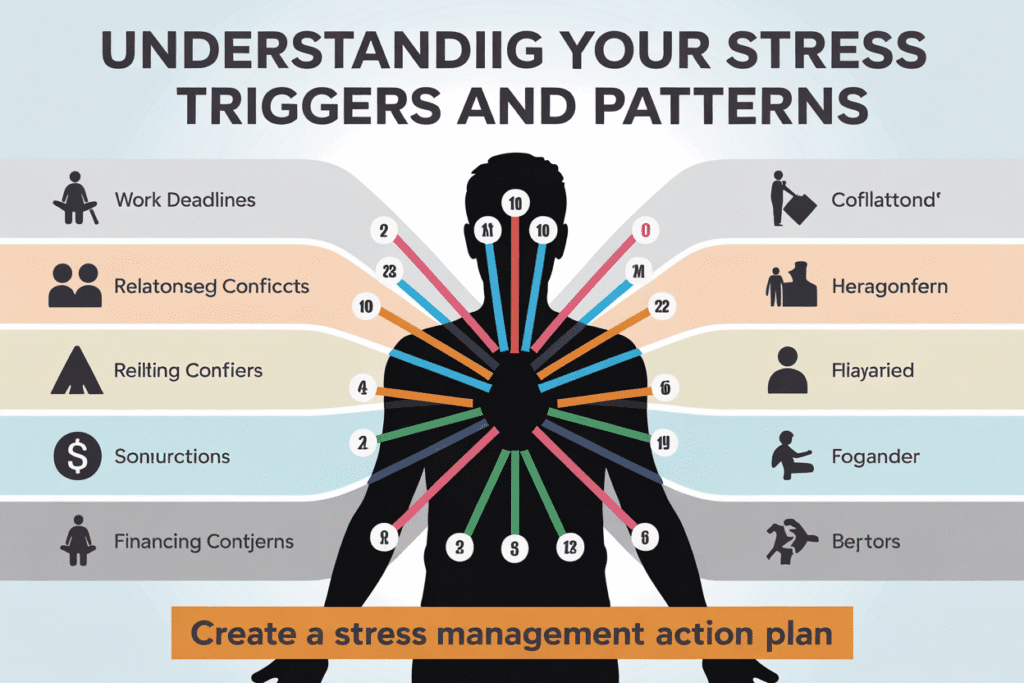
Understanding Your Stress Triggers and PatternsCreate a Stress Management Action Plan
To make stress management truly effective, develop a personalized action plan that integrates multiple strategies from this article. Begin by assessing your current stress triggers—identify the specific situations, people, or environments that consistently elevate your stress levels. Next, select 3-4 strategies from this list that resonate most with your lifestyle and personality. Start small by implementing one strategy per week rather than overwhelming yourself with drastic changes. Track your progress using a journal or stress-tracking app like Bearable or Daylio, noting imThe most successful stress management approaches combine multiple techniques rather than relying on a single method. Research in behavioral psychology shows that habit stacking—linking new stress management behaviors to existing routines—increases adherence rates by over 60%. For example, practice deep breathing while brewing your morning coffee, or do a gratitude reflection during your commute. Document your baseline stress levels using standardized assessment tools like the Perceived Stress Scale (PSS) before implementing changes, then reassess monthly to track objective improvements. Build accountability by sharing your stress management goals with a trusted friend or joining an online community focused on wellness. Many find success working with certified stress management coaches who provide personalized guidance, evidence-based techniques, and ongoing support. Remember that setbacks are normal—the key is persistence and self-compassion. Even implementing just 2-3 strategies from this guide consistently can produce significant results within 4-6 weeks. Your stress management journey is unique, so honor your individual needs while staying committed to continuous improvement and self-care.provements in mood, sleep quality, and overall well-being. Schedule regular check-ins (monthly or quarterly) to evaluate what’s working and adjust your approach as needed. Remember that stress management is not one-size-fits-all, what works for others may not work for you, so remain flexible and patient with yourself. Consider consulting with a mental health professional or stress management coach if you’re struggling to implement these strategies alone. With a structured action plan and commitment to consistency, you can transform these ten strategies into lifelong habits that significantly reduce stress and enhance your quality of life.
Conclusion
By incorporating these ten proven stress management strategies into your daily routine, along with the assistance of AI technologies, you can effectively combat stress and enhance your overall well-being. Remember that successful stress management is a gradual process that requires patience, consistency, and self-compassion. Start by selecting 2-3 strategies that resonate most with your lifestyle and build from there. Track your progress, celebrate small victories, and adjust your approach as needed. The combination of evidence-based techniques, modern technology, and personalized adaptation creates a powerful framework for long-term stress reduction. Whether you’re facing acute stressors or managing chronic stress, these strategies provide practical, actionable tools to regain control and cultivate lasting resilience. Your journey to improved stress management begins today—take the first step by implementing just one strategy, and watch as positive changes ripple through every aspect of your life.